I want to start off this post by very clearly saying that if you are just getting started off hiking and you are tackling shorter, easier day hikes, then you can almost certainly have a wonderful and more importantly comfortable time hiking in athletic clothes that you already own. That said – a bunch of these recommendations will help you in figuring out what to pack as you head out the door for all your adventures.
Dress in layers
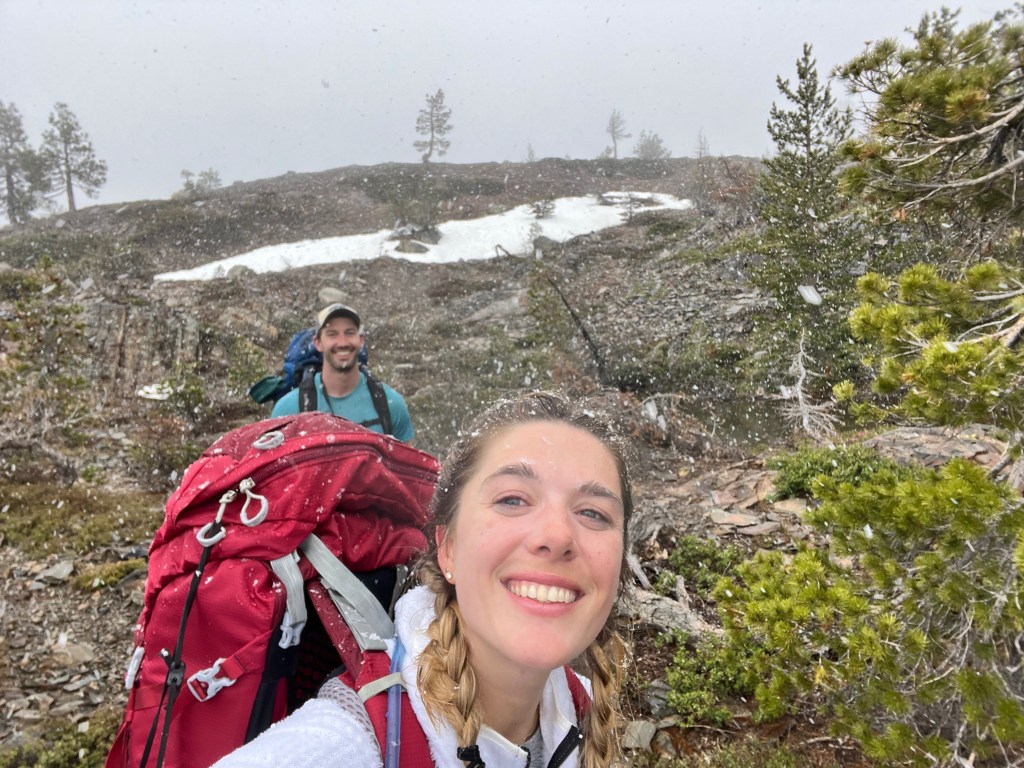
The single most important rule for hiking is that you dress in layers. If you stop reading now, I have done my job. Dressing in layers is by far the most effective way to ensure that no matter the weather, no matter how it changes throughout the day, you are able to stay comfortable out on the trail. There is nothing worse than getting soaked through halfway out and having to squish your way home. On one of my first backpacking trips ever, I was worried that I had overpacked, but the fickle Sierra Nevada mountains had other plans and we trudged through record late season snowfall in June. Having the right layers kept me comfortable enough to want to come back for more!
Choose quick drying materials
OK now that you know that you absolutely must pack layers when you head out for a hike, lets talk about what materials work well for those layers. I think it’s useful to think about materials before we even start talking about specific types of clothing that you should have in your closet. As a rule of thumb, I try to make sure that all of my hiking gear (especially the gear that sits closest to my body) is moisture wicking and quick drying. This is so important for your comfort as your body sweats to regulate itself or you need to dry off from a slip into a puddle. My two holy grail materials are:
Merino wool: Merino is generally more expensive than other synthetic materials but it is my holy grail hiking material. It is moisture wicking and thermoregulating which means that it can keep you warm when its cold out and cool when you are all hot and sweaty. Merino is also great as you start venturing out into multi-day backpacking trips. It also has antimicrobial properties that prevent it from getting smelly. I swear by my Merino baselayers!
Synthetics: Synthetic materials are generally more expensive than Merino, but they are frequently used in hiking and other technical gear. Think of your Lululemon leggings or quick dry running shirts. Those are probably made of synthetic materials. Synthetic is great because it is quick drying and sweat wicking.
One material that you really want to avoid for anything more strenuous than an easy day hike is Cotton. Cotton does NOT wick sweat very well nor does it dry quickly. Once you’re a little bit sweaty, or you’ve gotten too close to the spray from a waterfall, cotton is going to get wet and stay wet. Being stuck in wet clothes that take forever to dry is uncomfortable at best, and dangerous at worst.
Dress according to the weather
One last rule that I use when getting dressed to play outside is to check the weather. Never leave for a hike without checking the weather. The layers that you need will vary depending on the season and location-specific weather conditions. I usually use the weather app on my phone to track the weather, but there are a bunch of other apps that can help you track the weather. Especially if I am headed up into the Alpine I like to see if I can find any forecasts for the higher elevations, as most weather stations aren’t located in the mountains themselvses.
Alright let’s talk hiking gear!
Hiking shirts
Let’s start with shirts! Your shirt is one of the layers that is closest to your body (besides your undies) so its important to make sure that its comfortable and appropriate for the weather. I have a couple of favorites that I cycle through. I’ll talk about my favorite shirts based on the conditions – a lot of my kit doesn’t change too much based on the weather, but my shirts definitely do!
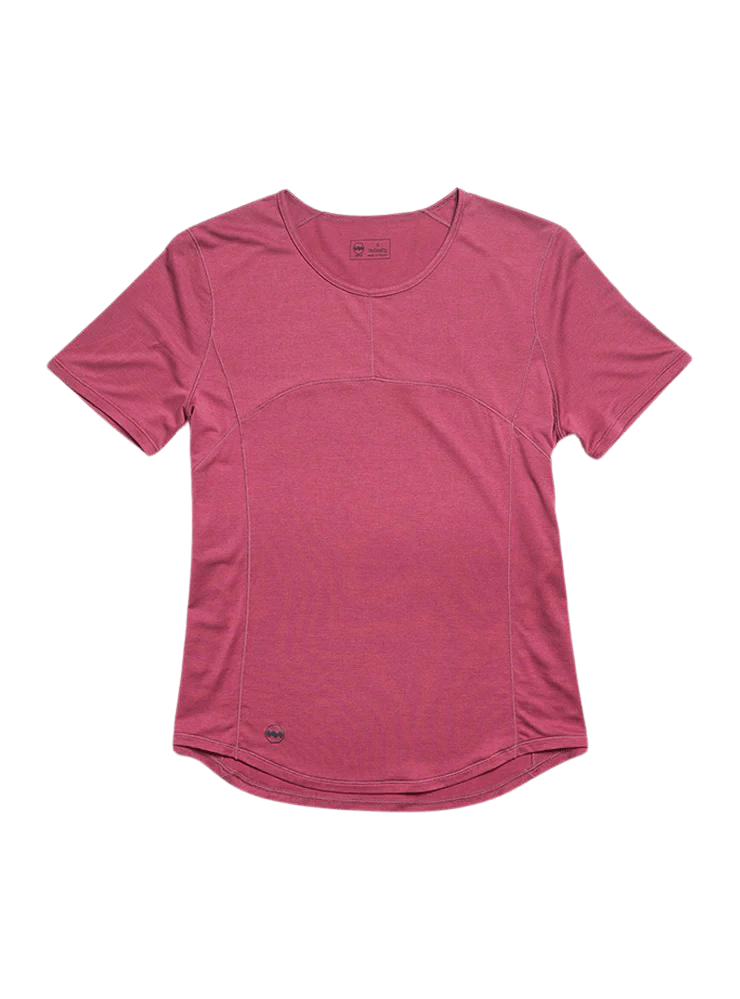
Warmest: In the summer, or when its unseasonably warm in the spring/fall I love my Janji run all day tee. Its a super lightweight synthetic material that doesn’t cling to your body when it gets sweaty. I also love that it was made with running vests in mind so it has minimal seaming on the shoulder which makes carrying a backpack that much more comfortable! Everything Janji makes is limited run, so if they’re sold out right now there’s a good chance that an updated version (with fun colorways) is bound to drop in the coming seasons.
Where to buy Janji run all day tee:
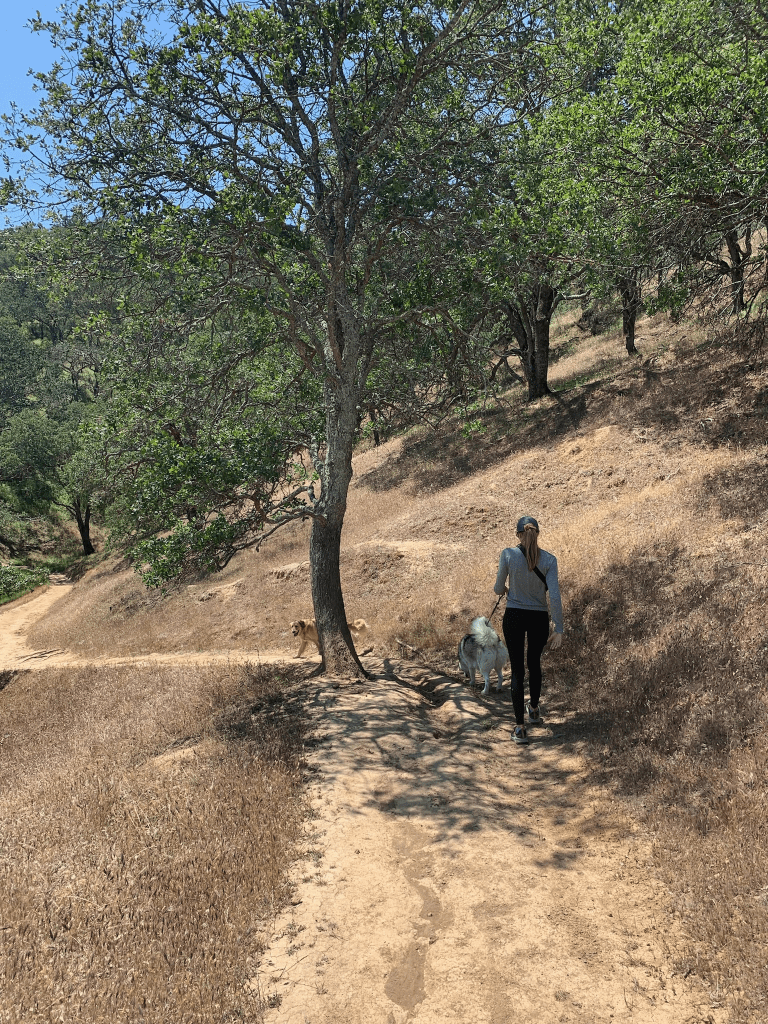
Mild: When the temps are a little bit more mild and variable, I reach for my lululemon swiftly long sleeve tee. I have had this for years and its a staple for me! It’s synthetic so its sweat wicking and quick drying if I get too sweaty, but the long sleeves also help me regulate my body temp when it cools down. Its also fairly thin which means it sits great under other layers like a fleece or rain coat.
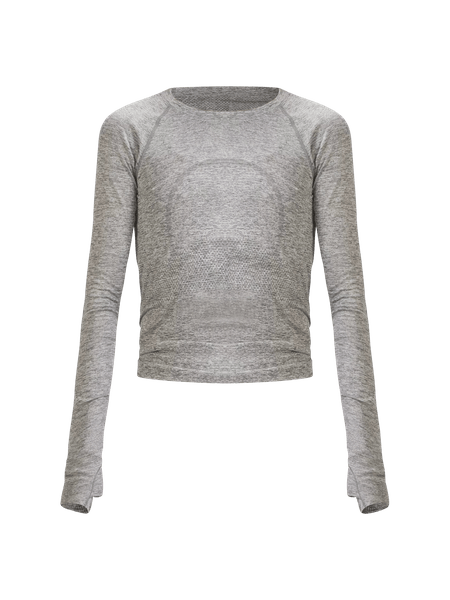
Where to buy LuLulemon Swiftly tech tee
Cold: When it’s cooler outside (50F and below) I reach for my Smartwool merino baselayer. It’s my go-to for winter and cool-weather activities and keeps me comfortable whether I am getting out for a big hike, casual snowshoe or day out skiing. I truly think Merino is magic. It never gets stinky (more than I can say about my synthetic shirts as much as I love them) and regulates my temps regardless of the activity. Its also a really nice layer to have close to the skin underneath other cool-weather layers.

Where to buy Smartwool Merino baselayer
Midlayer fleece
The next layer I almost always pack is a midlayer fleece. Your midlayer is your best defense against getting too hot or too cold. Almost every time I stop on the trail to layer up or remove a layer, I am working with my mid-layer. Its the ultimate utility player in your layer lineup. Stop to enjoy the summit and get a little chilly – throw on a fleece! Sweating on a steep uphill climb – take off the fleece! I have a couple of favorites, but most breathable fleece jackets will serve you well here.
My top recommendation for a fleece midlayer is the Patagonia R1 fleece. It is both warm and lightweight and slim enough that it will fit well underneath bulkier layers like a rain coat or puffy jacket.
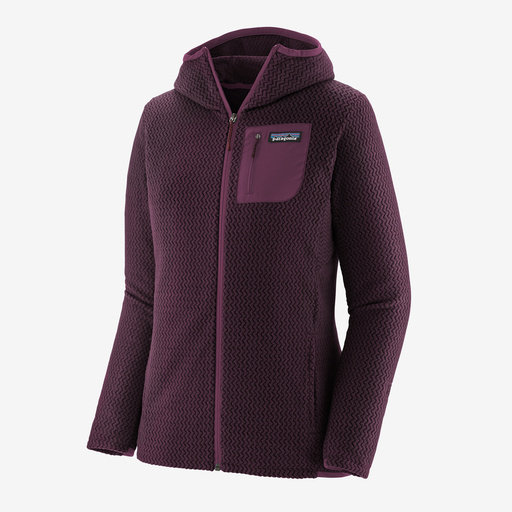
Where to buy Patagonia R1 fleece
My favorite merino alternative is the rover hoodie from Janji which is made with trail runners in mind, so it is really good at thermoregulating and wicking away sweat so it doesn’t stay close to your skin and keep you cold. The women’s version also comes with thumbholes and a ponytail hole in the hood which makes wearing the hood with a ponytail that much more comfortable.
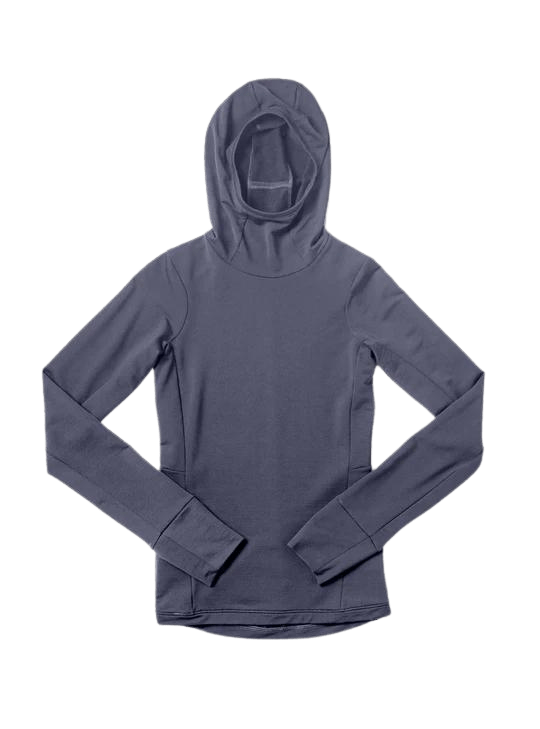
Where to buy Janji Rover hoodie
Hiking jackets
When it comes to jackets for hiking – I like to err on the side of warmth! I run cold so you can almost always find a jacket stuffed into my pack ~just in case~ even in the middle of the summer. The great news is that a lot of the synthetic and even lighter weight down options are packable enough that they won’t take up too much room in your backpack.
Heavy jackets
Starting out with what I would call heavy jackets these are the warmest jackets in my closet. I alternate between a lightweight down puffy when the temps are consistently cooler or I won’t be exerting as much, and a synthetic jacket when temps are more variable and I am going to be exerting more energy. The synthetic is also great if there is a chance of the jacket getting wet – down (kind of like cotton) doesn’t perform very well at keeping you warm once it is soaked. Synthetic on the other hand will continue to keep you warm even if gets wet.
Synthetic: In our house we love the Arcteryx Atom hoodie as a synthetic layer when temps get cooler or more variable. It is warm while still remaining breathable when you inevitably get sweaty on the mountain. I love having my fleece mid-layers with me always, but the Atom can serve as a more heavyweight midlayer if you don’t want to carry around 3+ layers.
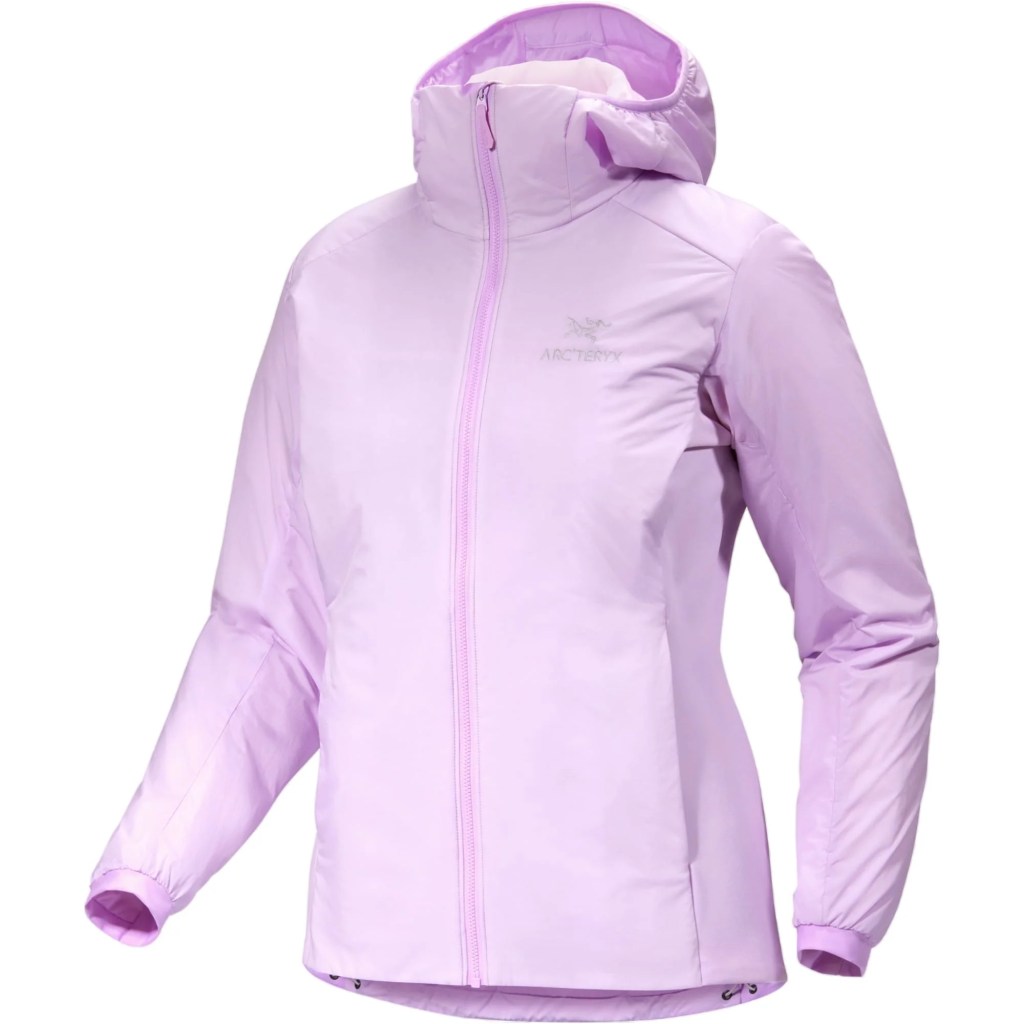
Where to buy Arcteryx Atom
Down: One of my most worn items of clothing is my Arcteryx Cerium down jacket. From running around town to day hikes, it is my go-to. I am careful to ensure that it doesn’t get too wet, but I live in the PNW so I always have a raincoat to throw on over it. I love this jacket because it is WARM. I run cold, so I gravitate towards the warmth of this jacket. Because it is so warm, it does have some tradeoffs on breathability where the synthetic Atom really shines, but I find that unzipping the front zipper helps me regulate my temps when my core body temp starts heating up.
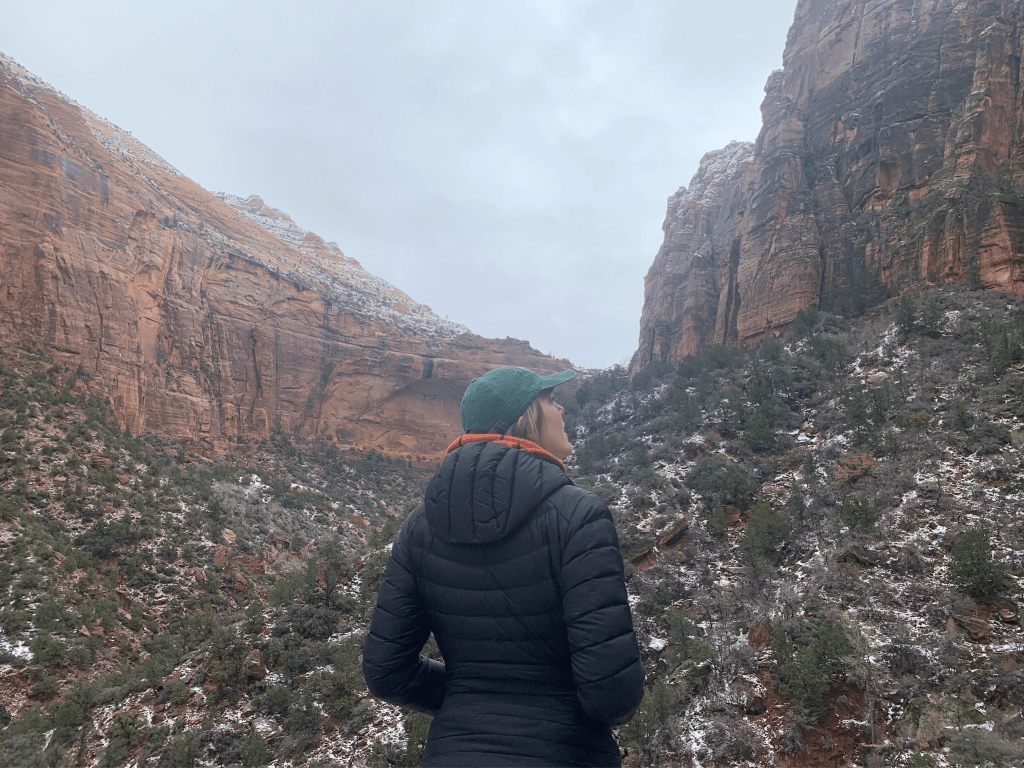
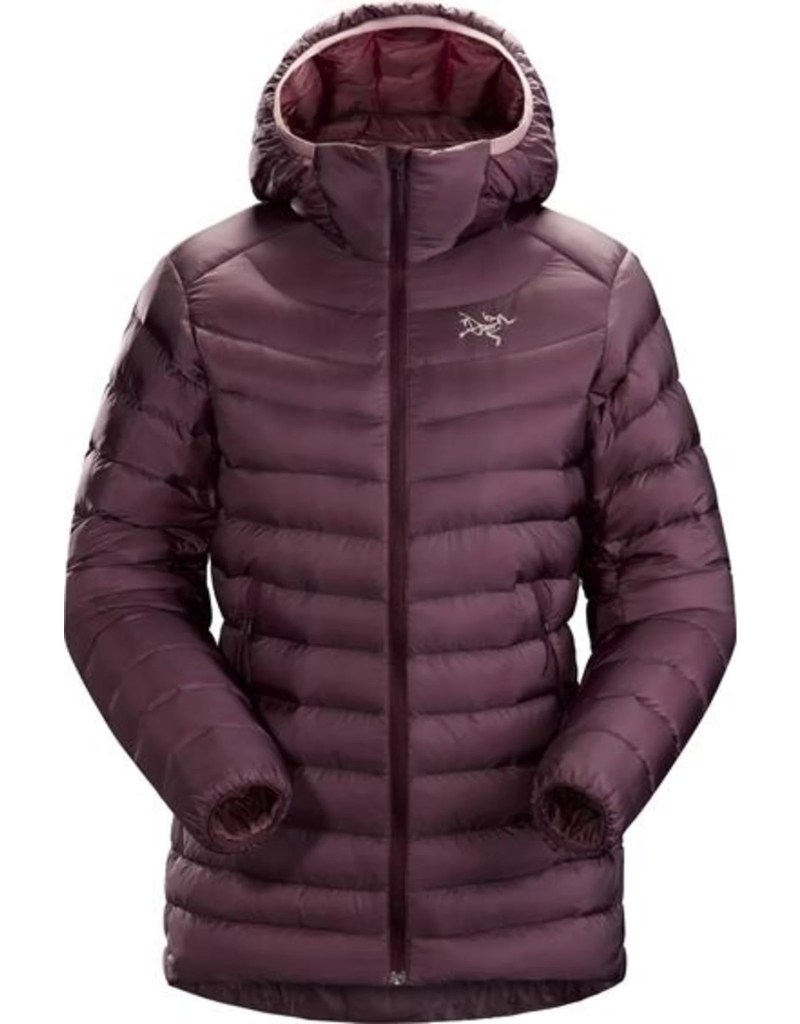
Where to buy Arcteryx Cerium
Windbreakers
Windbreakers are a great lightweight option for when you need an extra layer of protection from wind, bugs, the sun – really anything you can think of that you DON’T want on your skin on trail! They are great for warmer weather when you don’t need another insulating layer to stay warm, and drier weather when you don’t need protection from heavy or consistent rainfall. When it comes to rain, a windbreaker works great in a pinch – but if the forecast calls for even a little bit of rain I am going to reach for a more durable, waterproof GoreTex rain jacket.
One of my favorite things about windbreakers is how small they pack down and how lightweight they are. They are a super easy layer to carry around because they take up so little room in your pack. The Squamish hoodie from Arcteryx is currently first in my rotation and made it out on nearly every hike I did this summer. It packs down so tiny that I am actually worried about losing it in my house one of these days!
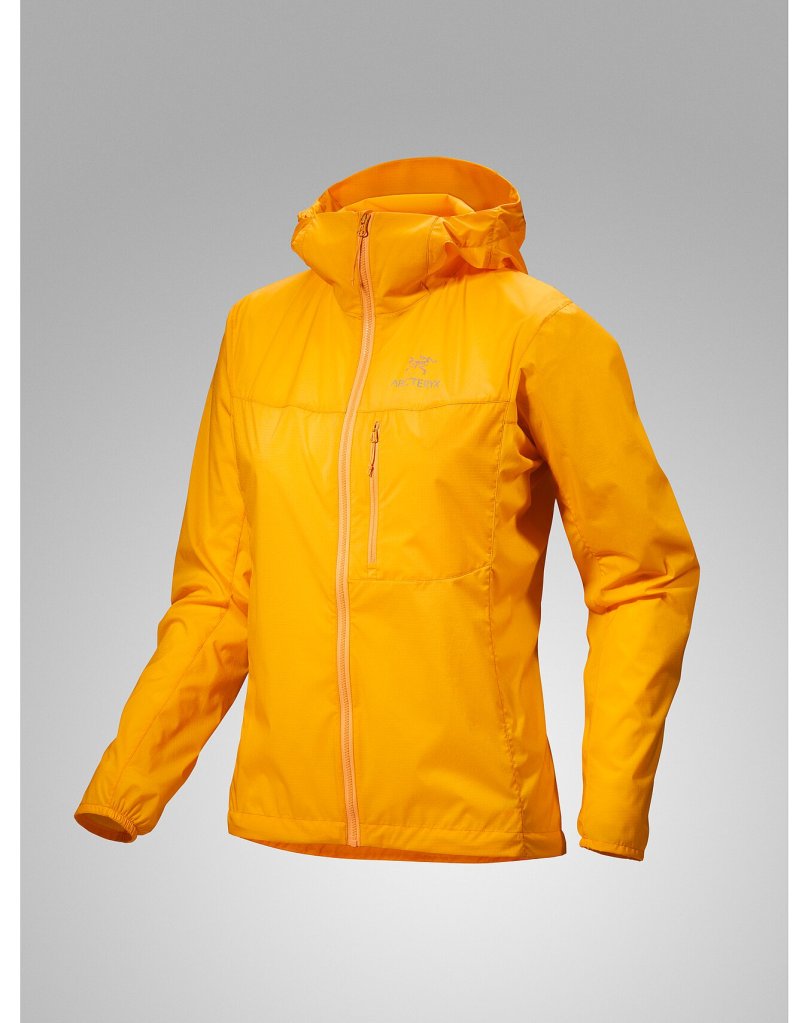
Where to buy Arcteryx Squamish hoodie
Bottoms
When it comes to what to wear on your bottom half while hiking I find the layers (or lack thereof) much easier to digest. I wear shorts when the weather is warmer and I don’t need to be worried about ticks. I hate those nasty buggers and I would rather sweat through my pants before letting them latch onto my legs! If the weather is going to be cooler (and/or there is a chance of ticks on the prowl) I opt for longer leggings or my hiking pants. I certainly don’t think anyone needs hiking pants, but mine have made such a huge difference in my comfort on hikes where the weather is more variable (read: rain and snow) and the temps are a little cooler.
Hiking shorts
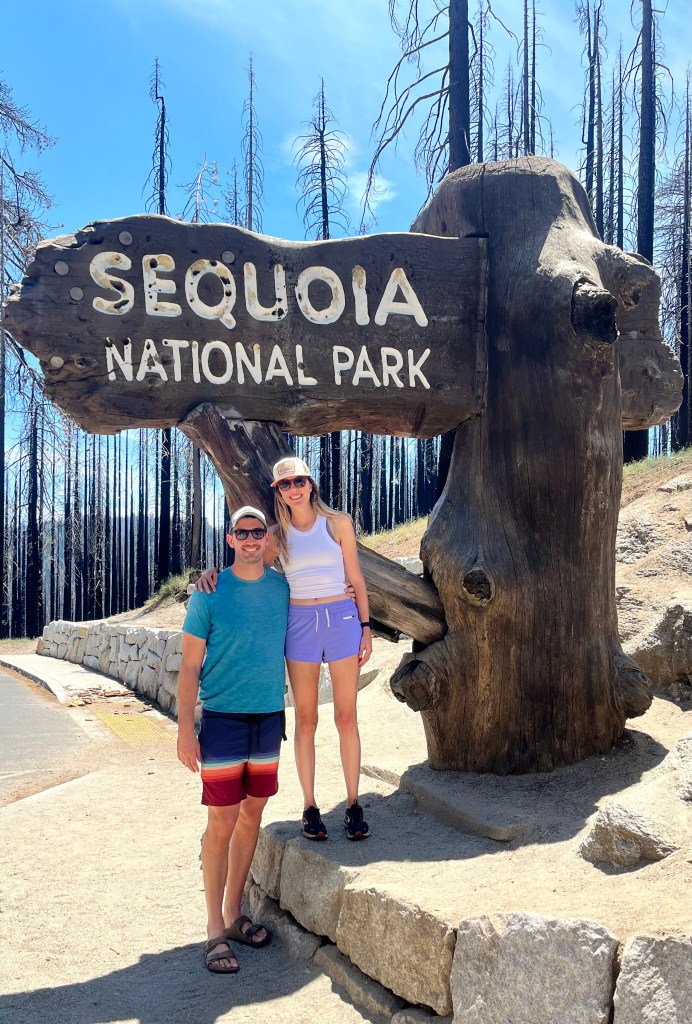
When it comes to hiking shorts, I typically wear one of the pairs of running shoes that I have laying around the house. I admittedly don’t have them as dialed in as leggings and hiking pants but I go with whatever is comfortable. You should too! Some of my favorites are the Vuori Clementine 2.0 running shorts. They don’t have pockets which can be a limiting factor for some people, but I love that they have a liner and come in really fun colors. They’re a really nice quick dry material and have a wide waistband which is great for all-day comfort.
Leggings
The minute there is even the smallest chance of ticks or other bitey bugs in the forecast, I like to make sure my legs are covered. Leggings are great for hiking as they are generally made to wick sweat and keep you cool during sweaty high output activities. I also love that leggings nowadays come with so many pockets – I am always looking for more places to stash my phone and assorted treats that I want to keep handy.
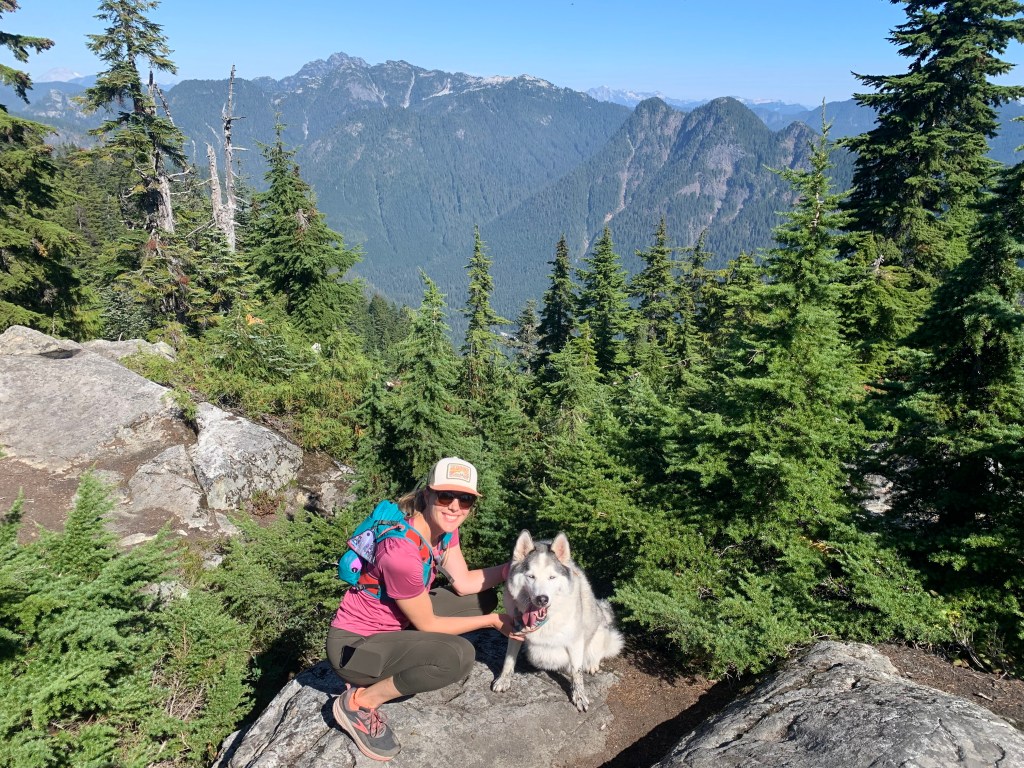
My favorite leggings for hiking are the LuLulemon Wundertrain tights with pockets. They come in great colors, wick sweat, prevent chafing, manage heat, and have great pocket space. They are high rise and I love that they don’t budge once I have them on.
Pants
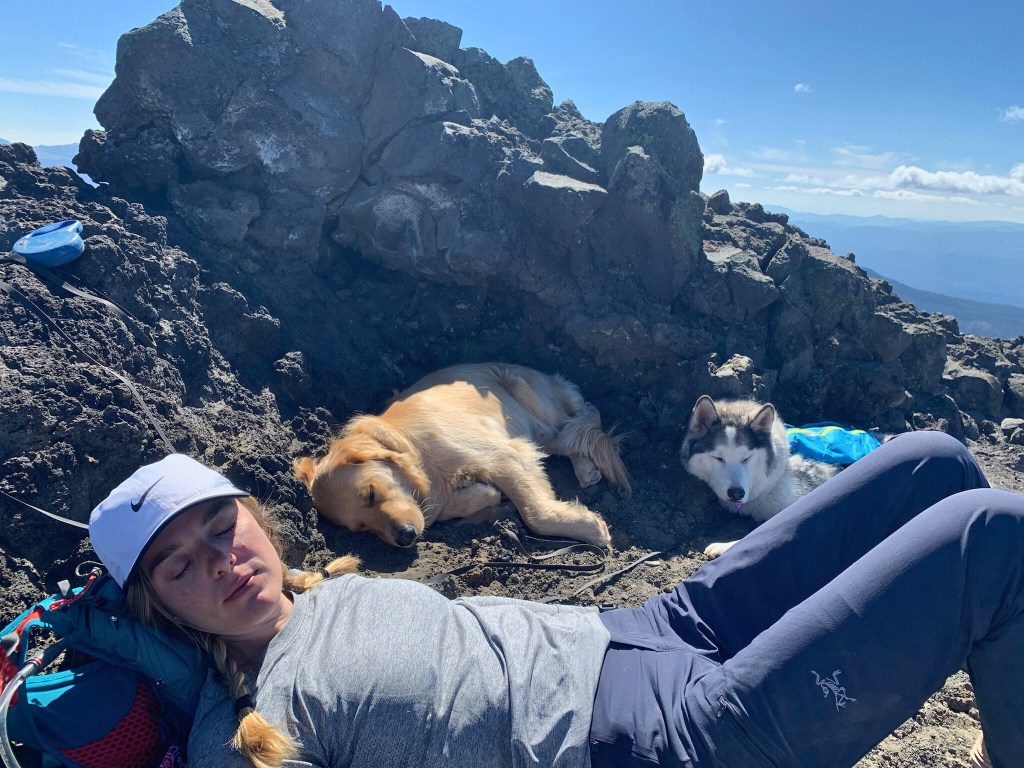
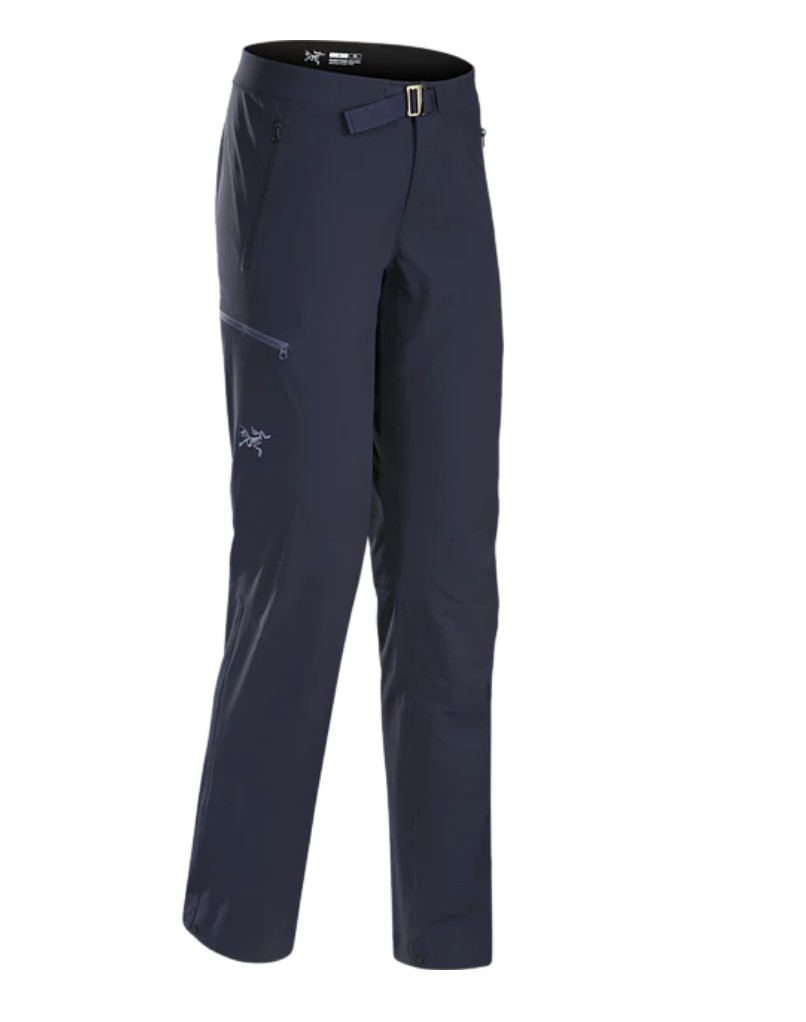
When spandex doesn’t feel like quite enough – the weather is more variable, its windy, etc. I reach for my hiking pants. My tried and true favorites are the Arcteryx womens Gamma pants. They have a bunch of zippered pockets, a comfortable waistband, and integrated belt. My favorite thing about them is their weatherproofness and comfort. While they aren’t 100% waterproof, they will keep wind and light rain from making you too uncomfortable, will dry quickly once they get wet, and have a great amount of stretch for freedom of movement. They also come in three inseams which makes them great for any of us non-standard sized hikers 🙂
Where to buy Arcteryx Gamma Pants
Rain
Rain shell
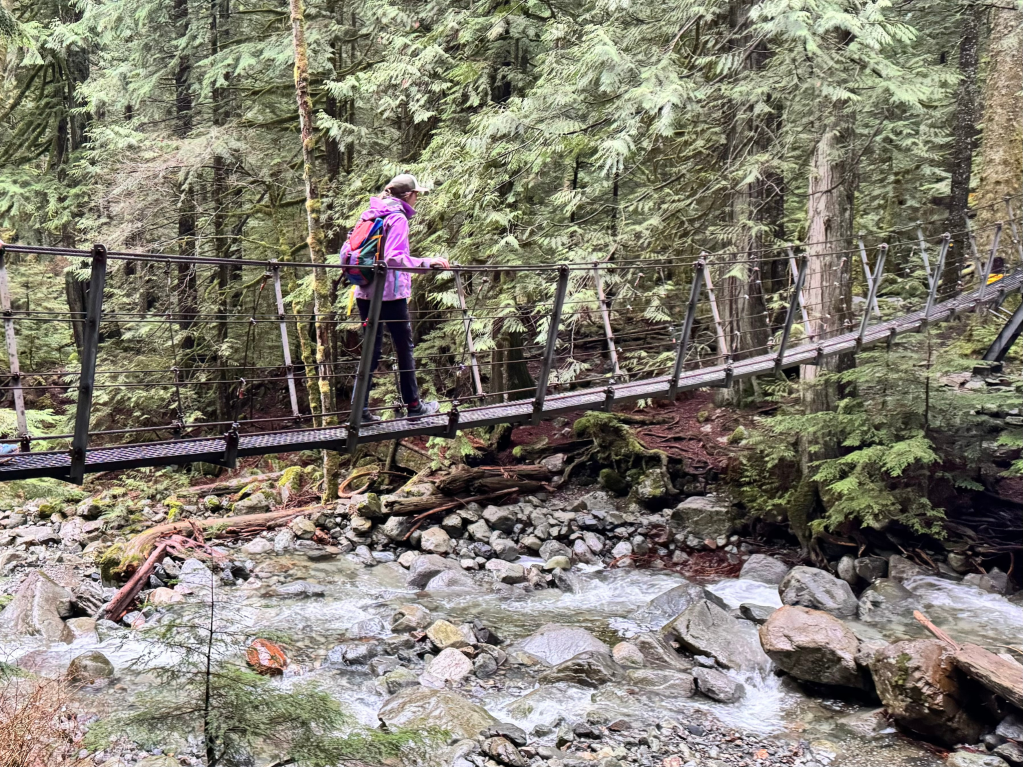
As a PNW-based gal, this is probably the most used item in my hiking setup. The weather can be unpredictable and its really important to be prepared. Getting wet will almost certainly be uncomfortable, and it can also be dangerous. A solid rain shell can keep you warm and dry if you end up needing to hike in the rain. Rain shells are typically made with a Gore Tex material. Gore Tex does a great job of keeping water out, but that means it also does a great job of keeping moisture in. When you are picking a shell for hiking or any other physical activity, I always recommend looking for a jacket that has vents (preferably under the pits) so that you can manage your temperature while hiking in the rain.
My absolute favorite is my Arcteryx Beta AR. It is my do-everything jacket for the rainy PNW. It is my hiking jacket, dog walking jacket, ski jacket, and the list goes on. Its performance in a downpour or consistent rainfall can’t be beat. It keeps me warm, and dry, and happy to be outside, even on the wettest days.
The Beta AR is a pretty hefty investment and unless you are confident that you are going to get a low cost per wear on it, I would recommend going with the Patagonia Torrentshell. Patagonia uses their own proprietary waterproof technology in these jackets and it packs down into its own pocket!
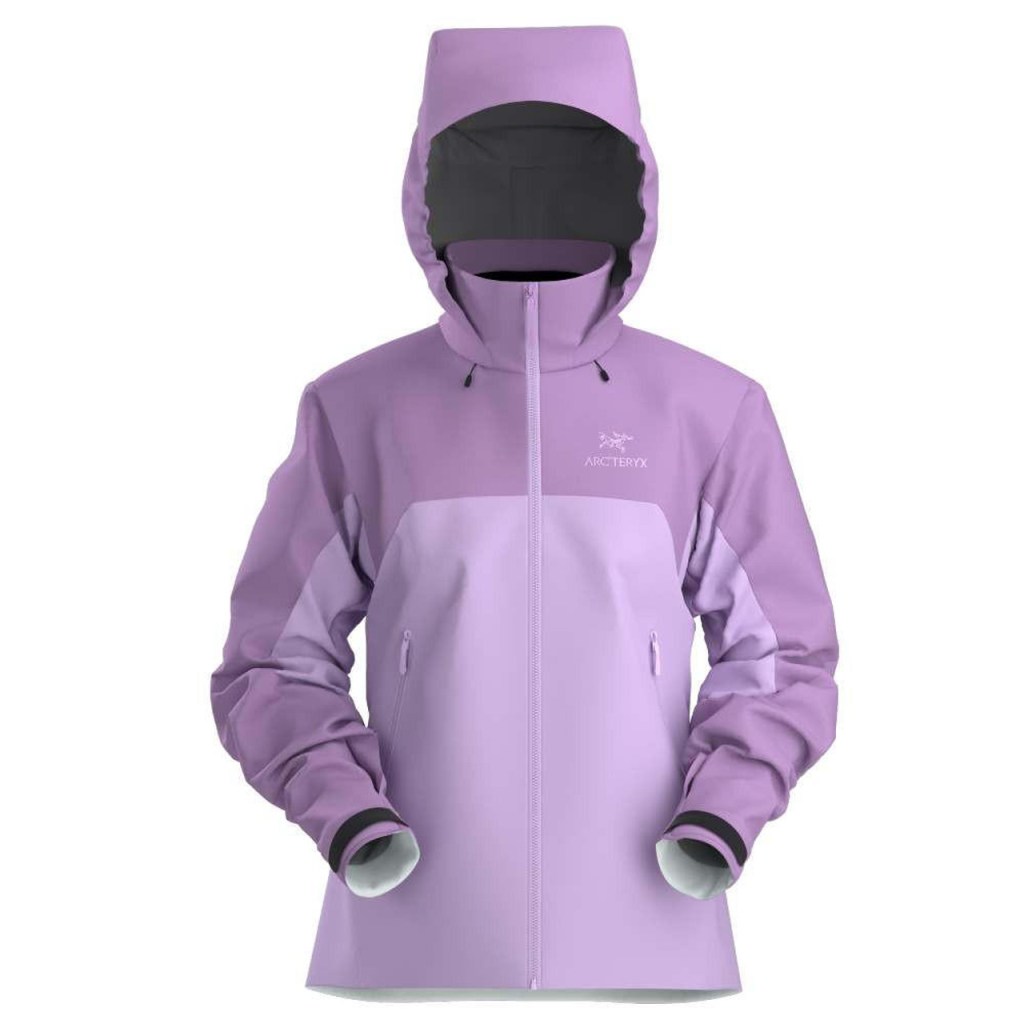
Where to buy Arcteryx Beta AR
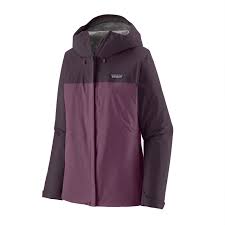
Where to buy Patagonia Torrentshell 3L jacket
Rain pants
After doing most of my hiking in Texas and California, rain pants were a foreign concept to me when I moved to the PNW, but I quickly figured out how necessary they are to stay comfortable on hikes where its likely to be wet most of the day. I typically only pack my rain pants unless the forecast calls for a lot of rain, or I am going to be out for a long hike where the weather is likely to change and I am worried about being caught in a downpour. I absolutely love the Patagonia Torrentshell rain pants. they have a 3/4 zip up the side so you don’t have to take your boots off to get the pants on. I find that they roll up quite small into my day pack so they are easy to carry around just in case.
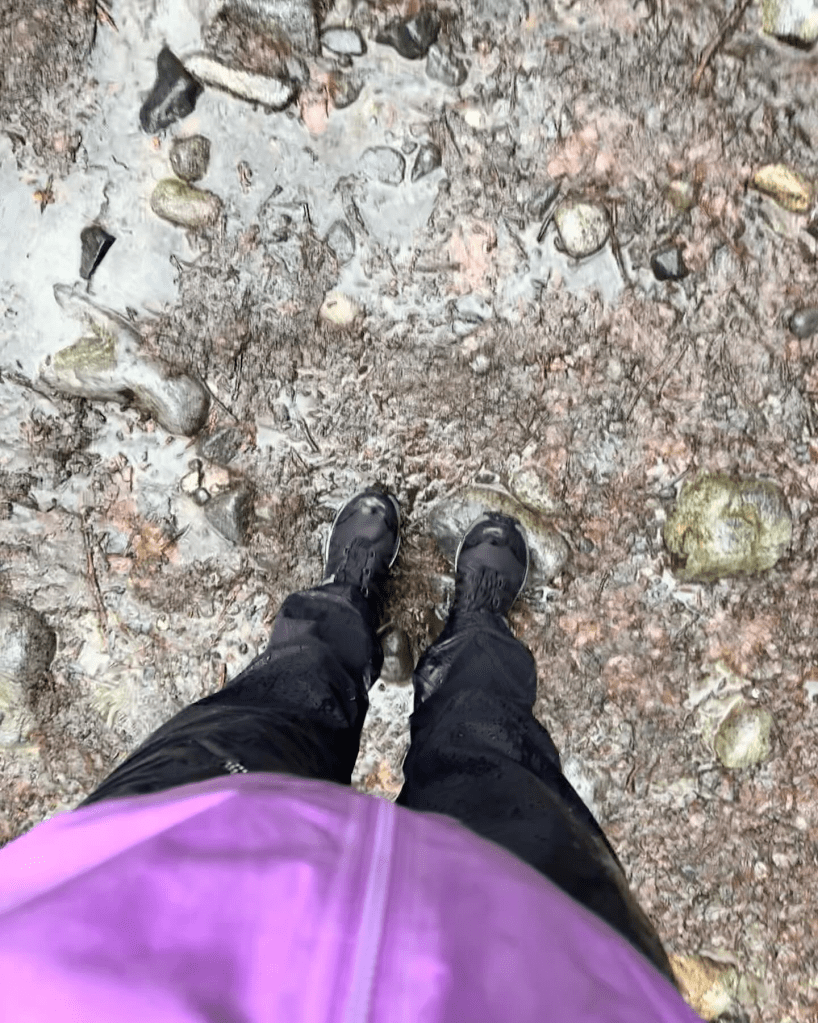
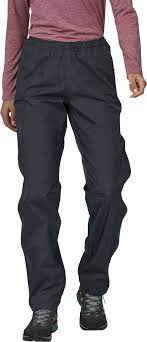
Where to buy Patagonia Torrentshell Rain paints
Undergarments
When I hike, I typically wear the same undergarments that I would wear for Yoga or other physical activity. I tend to wear any old sportsbra or tank with a built in shelf bra to offer support under my other hiking layers.
I am a little pickier about my hiking undies than my bras. They need to help me stay cool, dry, odor free, and clean on the trail. Most importantly the need to be COMFORTABLE. A lot of the undies that I have tried out that I don’t have any problem with in day to day life drive me crazy while I’m hiking. My go-to’s are LuLuLemon’s invisiwear line.
On your feet
Despite this being at the end of the page – one of the places I recommend making the highest investment in your comfort when hiking is in the things that go on your feet! You will be spending a lot of time on your feet over uneven terrain. Its important to keep those tootsies happy, dry, and blister free.
Socks
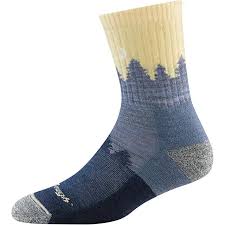
The first rule of hiking socks (similar to hiking shirts) is NO COTTON. Cotton socks tend to slide around and are infamous for causing some nasty blisters.
Most hiking socks are made with wool or a wool blend which helps reduce sweating and prevents unwanted rubbing between the sock and your foot.
My favorite hiking socks are made by Darn Tough, a company out of Vermont. Their socks are cushioned in all the right places and designed with hikers in mind. I have never gotten a blister wearing my Darn Toughs! The company also has a lifetime guarantee for the their product which tells me that they really believe in what they are making!
Where to buy Darn Tough
Shoes
Your shoes are one of the most essential gear decisions that you will make. It is so important to have a good pair of sturdy and comfortable hiking shoes with good traction. That said – shoes are also highly personal. All of our feet are different (I have pretty narrow, flat feet for example), so what works for me might not necessarily work for you. I encourage you to head to a store in person to try on some different shoes to see what works for you.
I have 3 types of hiking shoes that I cycle through and each fills a slightly different need.
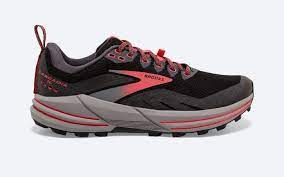
Trail runners: My trail runners are the same shoes that I wear trail running. What makes them different from road running shoes is that many of them have additional traction on the soles for varied or slippery terrain, rock plates in the soles to protect your feet from being able to feel roots or rocks on the trail, and waterproofing on key parts of the shoe to keep your feet dry even if you step in a puddle.
My favorite trail runners are the Brooks Cascadia. I have worn Brooks running shoes since I was in high school and find that they work really well for the amount of support (medium-high) and cushion (medium-high) that I like. The Cascadias provide all of that with the added traction and protection of a trail runner.
Where to buy Brooks Cascadia
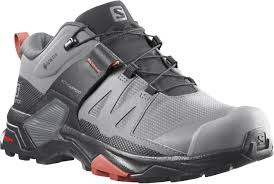
Hiking shoes: Hiking shoes often have a low ankle and I would describe them as a cross between a hiking boot and a trail runner. They are more likely to offer more protection than a trail runner and be fully waterproof. You won’t necessarily want to run in these, but they work great for longer day hikes where you want a little bit more support than a trail runner.
I love the Salomon X Ultra 4 GoreTex hiking shoe. It is fully waterproof so I don’t have to worry at all about my feet getting wet when it rains. Its also got Salomon’s quicklace system which removes the annoyance of untied shoe laces. They come up a tiny bit higher at the ankles than my trail runners which provides some additional support, and I find that they have a ton of traction to keep me moving in all types of conditions and trails
Where to buy Salomon X Ultra GoreTex
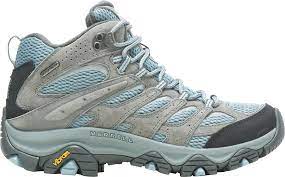
Hiking boots: Hiking boots offer the most support of all the options. They have a higher ankle that provides more support if you are carrying a heavy pack or want to protect your knees and ankles. I typically wear my hiking boots when I am backpacking (carrying a heavy pack) or on really variable or steep terrain where I want to make sure that my ankles and knees have plenty of support.
The Merrell Moab is one of my favorite boots. It has the high ankle for support, traction on the sole, and lots of cushion for long days on your feet. One of the best things about these (and most modern hiking boots) is that there is very minimal break in required. They are comfortable out of the box!
Where to buy Merrell Moab
On your head
When it comes to accessories, I tend to always keep three close at hand for sun/wind/element protection for my head and face. There is nothing worse than being able to feel a sunburn start to form and not being able to do anything about it or having to squint the entire hike because you forgot sunglasses
Hat: I almost always bring a hat on my hikes. When it comes to picking out which hat, it doesn’t really matter as long as its lightweight and comfortable for you. I typically opt for a regular baseball cap like this Patagonia trucker hat
Buff: A Buff gaiter/headband is one of my favorite hiking multitools! A buff can provide extra sun protection for your neck if you need it, can cover your face in the wind, and can be used as a headband.
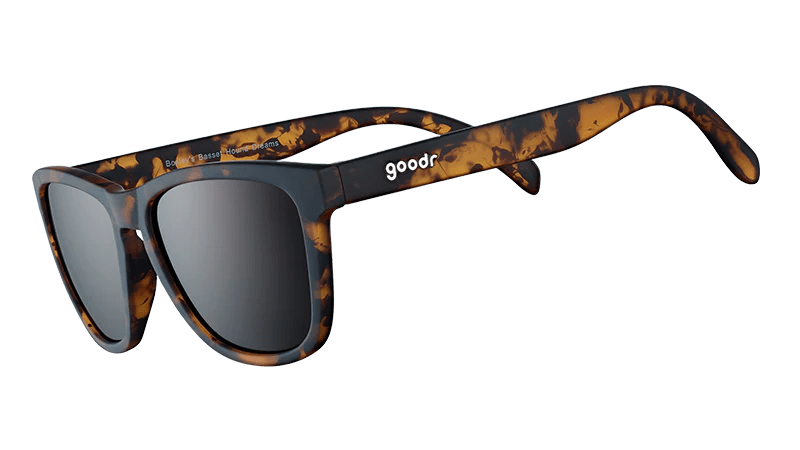
Sunnies: When it comes to sunglasses for hiking, I really only look for polarized sunglasses to protect my eyes. I have a couple of pairs of Goodr sunglasses and I swear by those. They are cheap (under $25), polarized, and come in a bunch of different colors. I love that I am not worried about losing a 100$+ pair of sunglasses on the trail.
Where to buy Arcteryx Squamish hoodie
Pack
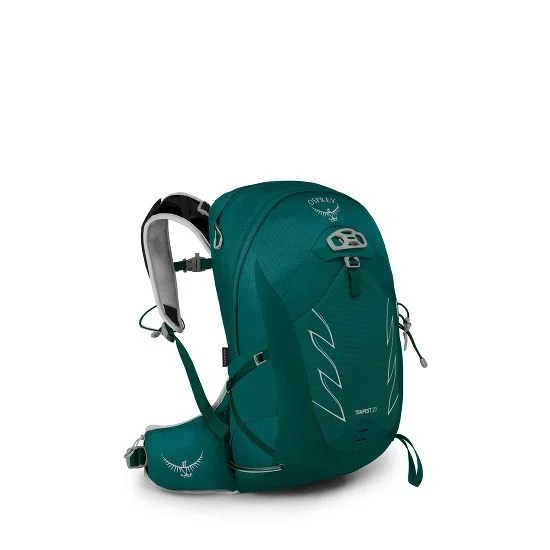
And last but not least, don’t forget to carry your hiking essentials like extra food and water in your pack! I love the Osprey Tempest 20 backpack for long day hikes so I can carry my snacks, extra layers, and water.
Where to buy Tempest 20
I hope this guide gives you a good idea of what to wear hiking so you can be comfortable and safe on the trail!
Do you have any favorites? Let me know in the comments below!
 Get outside girls
One response to “Hiking 101: Womens hiking clothes”
[…] dry to prevent chafing and ensure that you are able to regulate your body temperature. Check out our what to wear hiking post for more detailed thoughts on the perfect hiking […]
LikeLike